
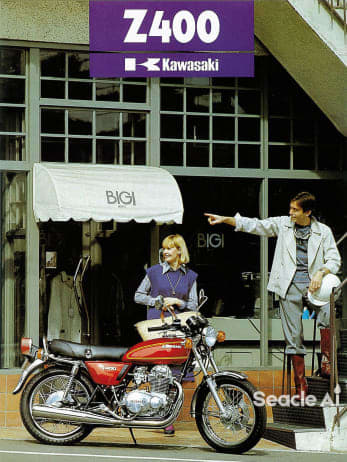

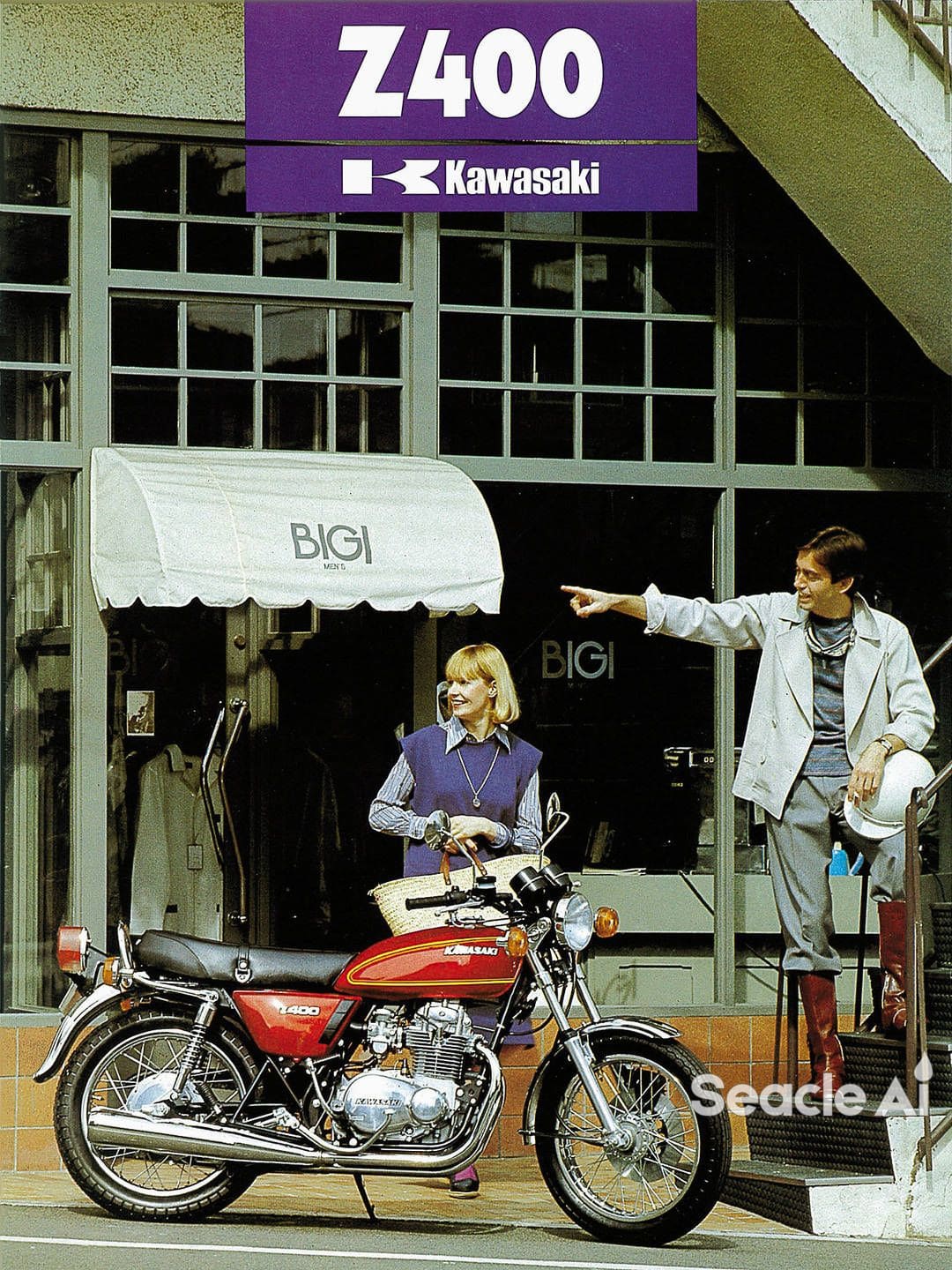
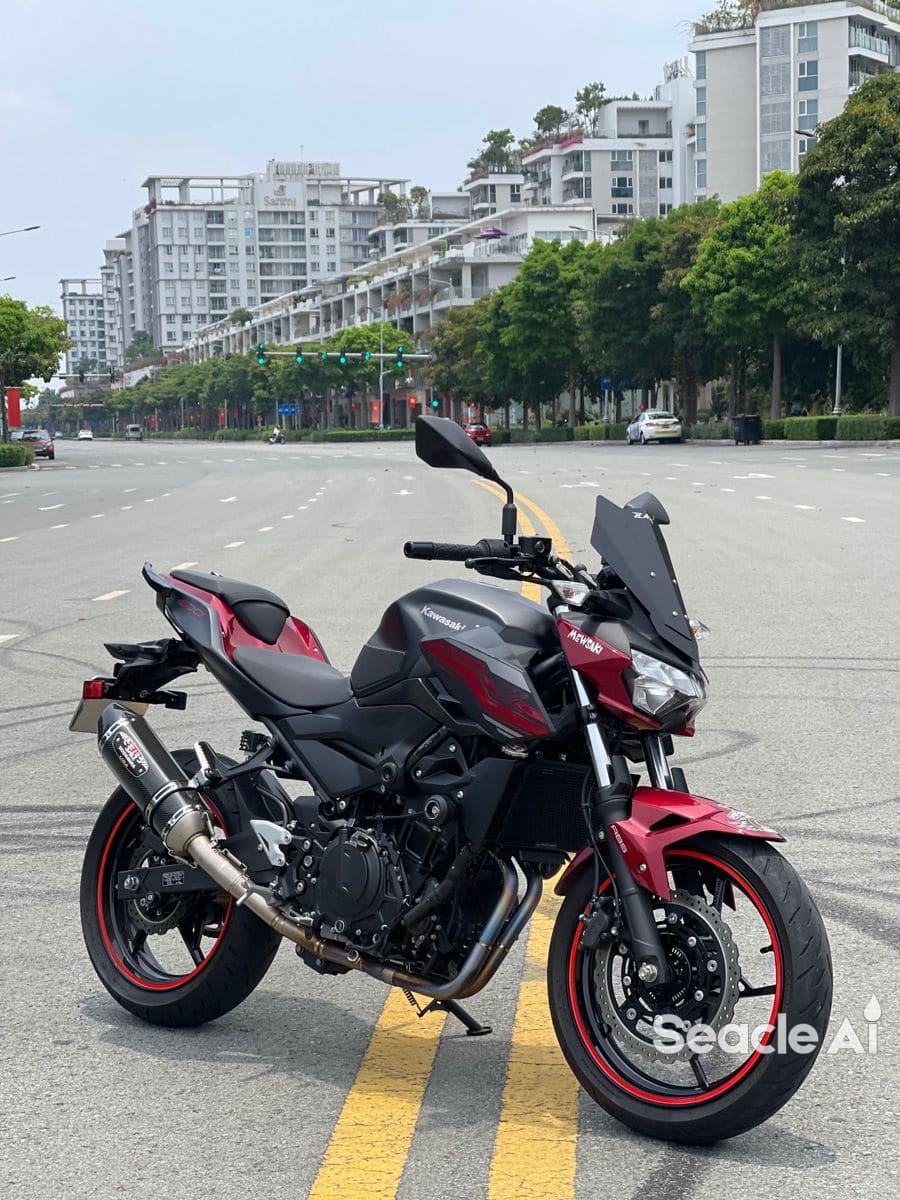
The Kawasaki Z400 sits in that useful middle ground between commuter bikes and outright supersports: a compact, punchy naked machine that’s designed for quick city moves and entertaining backroad rides. In the first 100 words this needs to be clear — it’s not a long-haul tourer or an off-roader, and that matters if your weekly use includes heavy luggage or sustained high-speed cruising.
Table of Contents
- What the Kawasaki Z400 Is and Who It’s For
- Key specs of this naked sportbike
- Safety, comfort and tech
- Real-world Z400 mileage and daily use
- Kawasaki Z400 vs Yamaha MT-03
- Use-cases and limitations
- Alternatives
- FAQs
- Conclusion
What the Kawasaki Z400 Is and Who It’s For
The Z400 is a middleweight twin naked bike built around a 399cc parallel-twin engine. It’s aimed at riders who want sharper handling than a big commuter and usable low-down punch without the intimidation of a litre-class machine. Think short, aggressive commutes, canyon runs on weekends, and urban filtering — not long multi-day touring with heavy luggage or dirt trails.
Who should consider it: urban riders 165–185 cm tall who want a lively throttle, relatively low running costs, and easy-to-manage curb weight (around 167 kg wet). Who should avoid it: riders planning frequent two-up interstate trips with heavy panniers or off-road excursions. That’s where the chassis and fuel range show their limits.
Key specs of this naked sportbike
- Engine: 399cc liquid-cooled parallel-twin, DOHC (8 valves).
- Power: ~47 PS (around 46–48 hp) at high revs — adequate for spirited two-lane riding but not a track destroyer.
- Torque: ~38 Nm at mid-range rpm — gives usable roll-on acceleration in town.
- Top speed: Practical top speed sits near 170–180 km/h depending on rider weight and conditions.
- Mileage: Real-world figures typically 18–24 kmpl in mixed Indian city/highway use; tighter in traffic.
- Seat height: 785 mm — minimum recommended rider height ~160–165 cm for confident flat-footing and control.
- Transmission: 6-speed with smooth clutch and predictable ratios.
- Kerb weight: ~167 kg — helps in low-speed maneuvers compared with heavier nakeds.
- Tank capacity: ~14 litres (see comparison table for MT-03).
Confirmed vs variable items
Confirmed: engine layout, seat height (785 mm), 6-speed gearbox and approximate power/torque bands listed above are stable across global models in 2025–2026. Variable: real-world mileage, top speed and final on-road weight change slightly by market (accessories, ABS, and emissions equipment affect these).
Safety, comfort and tech
The Z400 keeps the tech list simple: ABS (dual-channel in most markets), LED lighting, and a compact instrument cluster with trip meters and fuel readout. No rider modes or traction control in standard trim — that’s a deliberate simplification to keep weight and cost down.
Comfort-wise, the seat is narrow and supportive for 1–2 hour blasts. Expect fatigue on 3+ hour stretches: the riding ergonomics favor an upright-but-forward stance that can load wrists and lower back on long highway miles. This matters more than it seems if you often ride >200 km in a day.
Safety observations: the braking package (310 mm front disc, adequate calipers) stops the bike predictably; ABS intervention is firm, not intrusive. Shorter riders notice the footpeg-to-seat feel first during long rides — that’s a real-world detail that changes comfort over time.
Real-world Z400 mileage and daily use
Manufacturers quote optimistic fuel numbers; in city traffic and mixed commuting the Z400 usually returns 18–22 kmpl in India. On highway runs at steady 80–100 km/h you may nudge 23–26 kmpl. The smaller 14-litre tank means practical range of roughly 250–300 km between fill-ups — enough for weekend escapes, less ideal for long touring days.
Observation: throttle response is eager around town; in heavy stop-and-go it can feel a bit snappy if you ride with a light clutch hand — riders moving from single-cylinder commuters notice the difference first.
Kawasaki Z400 vs Yamaha MT-03: Head-to-head
| Aspect | Kawasaki Z400 | Yamaha MT-03 |
|---|---|---|
| Engine & performance | 399cc parallel-twin, ~47 PS — stronger mid-range punch | 321cc parallel-twin, ~42 PS — revvier, lighter-feeling at high rpm |
| Torque / Top speed / Mileage | ~38 Nm / ~170–180 km/h / 18–24 kmpl (mixed) | ~29–30 Nm / ~160–175 km/h / 20–24 kmpl (mixed) |
| Key features | Simple tech, ABS, LED lighting, compact ergonomics | Sharp styling, lightweight chassis, ABS, modern dash |
| Price range (typical) | Globally $5,500–$7,000; in India used/grey markets around INR 4.5–6.0 lakh (varies) | Globally $5,000–$6,500; similar Indian street pricing slightly lower when new |
| Recommended rider | Riders wanting more midrange shove and a slightly more substantial feel | Riders preferring lighter handling and higher-rev character |
| Tank capacity | ~14 L | ~14 L |
| Brakes & safety | 310 mm front disc, rear disc, ABS — firm stopping | 298 mm front disc, rear disc, ABS — nimble but slightly less initial bite |
Nuance: the Z400 feels more composed under roll-on acceleration thanks to torque; the MT-03 asks to be revved to show its best. If you commute with frequent overtakes, the extra torque matters.
Use-cases and limitations
- Excellent for: city-to-suburban commuting, weekend canyon runs, learners stepping up to a twin.
- Not ideal for: extensive two-up interstate touring with luggage, off-road use, or riders seeking full-featured electronics (no traction control or ride modes in base trim).
Downsides to accept: the firm suspension is great for cornering but transmits bumps into the rider — the trade-off appears during longer journeys on rough roads. Maintenance is routine but expect occasional valve checks and chain maintenance typical of twins; running costs are reasonable but not as cheap as a 150–200cc commuter.
Alternatives
If you want similar character with different trade-offs: Yamaha MT-03 (lighter, revvier), KTM 390 Duke (more tech and sharper performance), Honda CB500F (bigger displacement, smoother touring ability). Most alternatives either add power, weight, or tech; pick by which compromise you tolerate most.
FAQs
What is the minimum height to ride Kawasaki Z400?
The seat height is 785 mm; realistically, riders about 160–165 cm tall can manage it comfortably, though shorter riders should test reach and consider lowering options.
How many kmpl does the Z400 return in city conditions?
Expect roughly 18–22 kmpl in urban mixed traffic in India. Highway steady speeds raise that to the low-to-mid 20s. Your mileage will fall if you ride aggressively daily.
Is the Kawasaki Z400 good for long-distance touring?
Not as a primary tourer. The tank size (~14 L) and seating ergonomics limit range and comfort on long highway days; you can tour if you accept more frequent stops and lighter luggage.
Which is better for new riders: Z400 or MT-03?
Both are approachable. The Z400 gives more torque at lower revs, which helps in real-world passing; MT-03 rewards revs and is slightly lighter. If you value low-end tractability for city use, lean Z400.
Conclusion
The Kawasaki Z400 is a clear choice if you want a compact, honest middleweight with usable torque and approachable ergonomics. Its strengths are predictable power delivery, light curb weight and agile handling. Its limits are equally clear: modest tank size, basic tech compared with pricier rivals, and a firm suspension that becomes noticeable on long rough rides.
If your riding is mostly urban with occasional spirited weekend runs, it will serve you well. If you need long-distance comfort or advanced electronics, look elsewhere or budget for aftermarket upgrades. Most people overlook how much ergonomics affect fatigue on multi-hour rides — this is where the Z400 shows its narrow focus.